There is nothing more frustrating than finishing a massive freelance project, sending the invoice, and then... crickets. You did the work on time, but now you have to spend your valuable hours playing debt collector.
Late payments disrupt your cash flow, ruin client relationships, and cause unnecessary stress. If you are tired of sending "just checking in on this invoice" emails, here are seven proven strategies to stop chasing late payments and get paid on time, every time.
1. Set Clear Payment Terms Before Starting
Most late payments happen because expectations were never set. If you send an invoice with "Due on Receipt" but never discussed it, the client might assume they have 30 days (Net-30) to pay you based on their corporate accounting cycles.
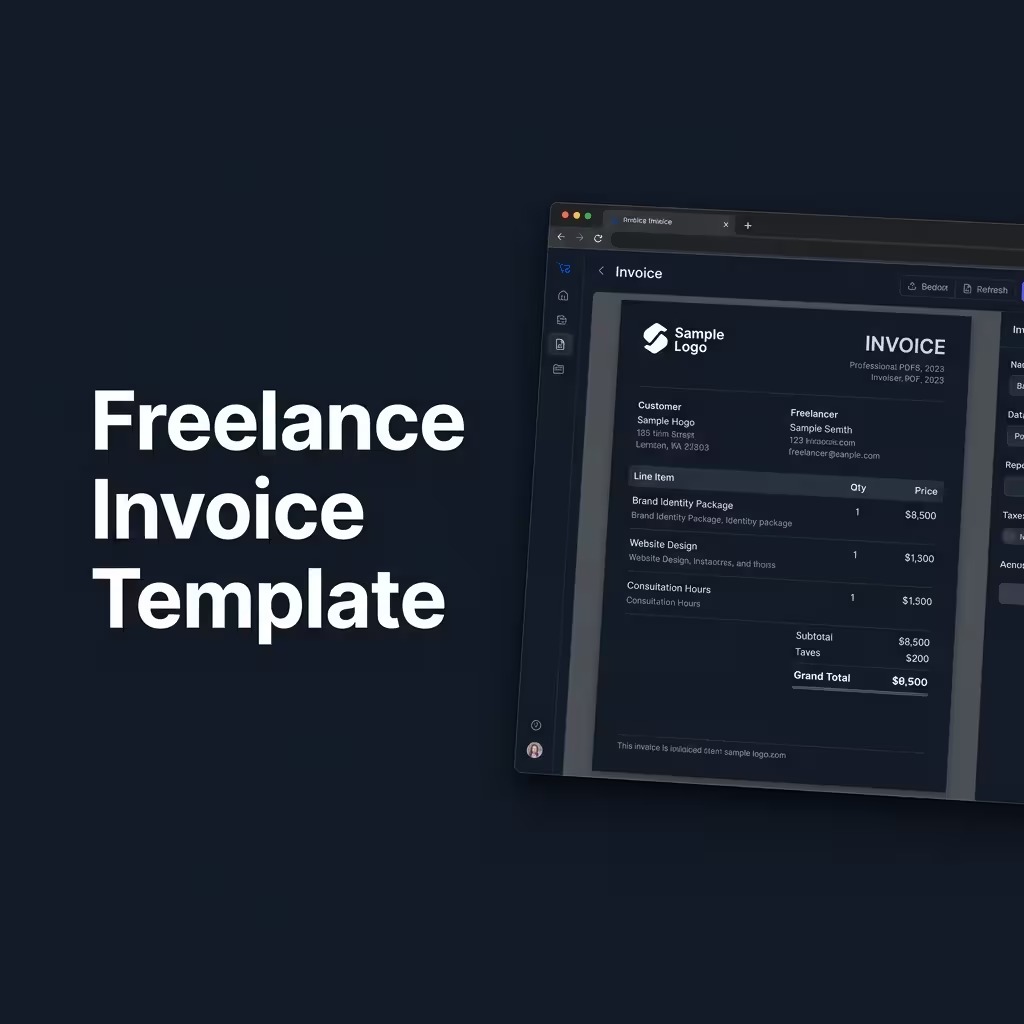
Before you write a single line of code or design a single pixel, establish your payment terms in writing. Clearly state if you operate on Net-7, Net-14, or require immediate payment. If you aren't sure how to format this, grab our free freelance invoice template to see exactly where these terms should live.
2. Always Require an Upfront Deposit
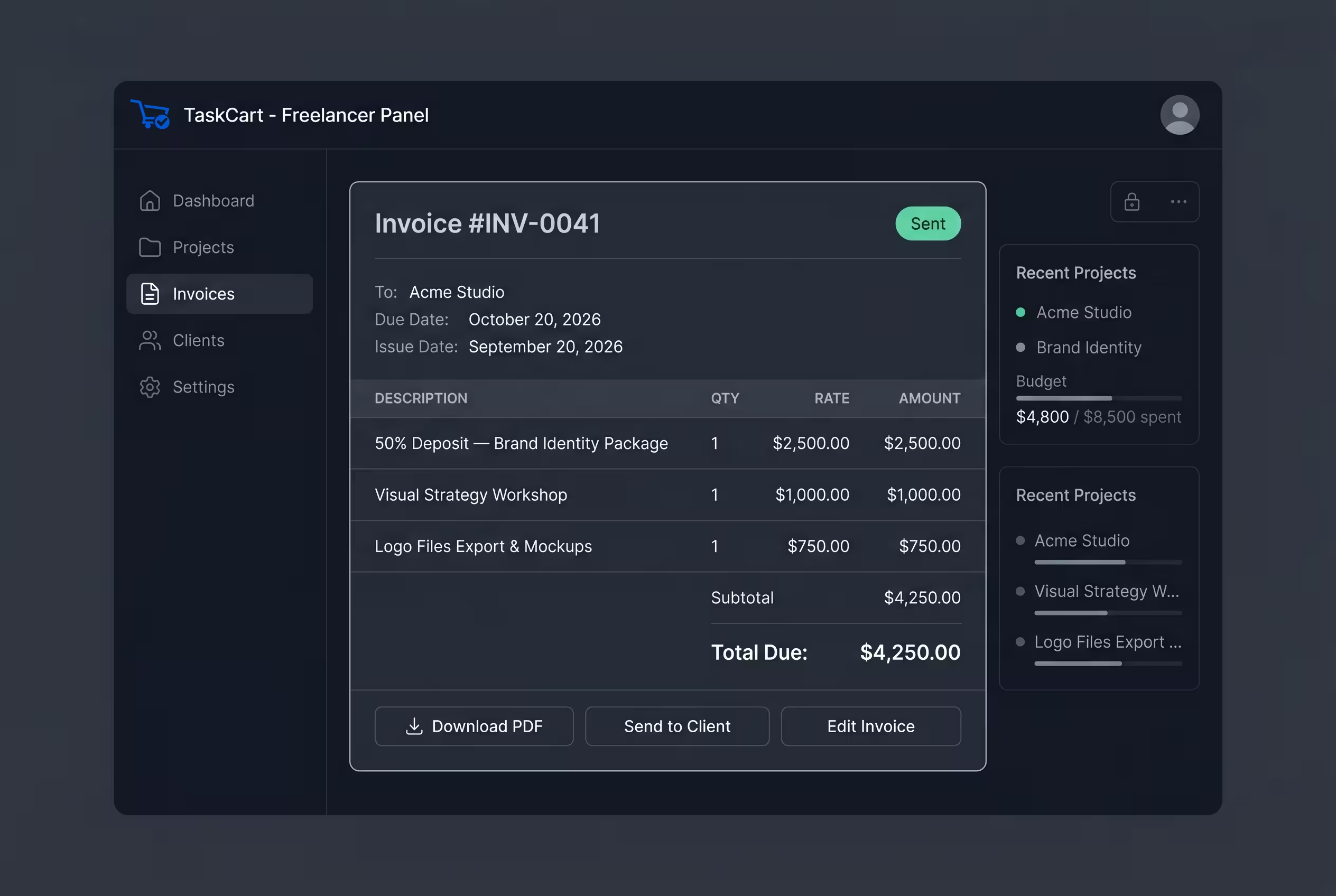
The easiest way to avoid chasing 100% of a late payment is to secure 50% of it before the project even begins. Requiring an upfront deposit (usually 25% to 50%) is standard practice for professional freelancers.
It secures the client's commitment and gives you immediate cash flow. If a client pushes back heavily on a standard 30% deposit, that is a massive red flag that they will likely be difficult to collect from later.
3. Automate Your Invoice Reminders
Manual follow-ups are emotionally draining. You shouldn't have to draft polite emails begging for your own money. Instead, rely on software to be the "bad guy" for you.
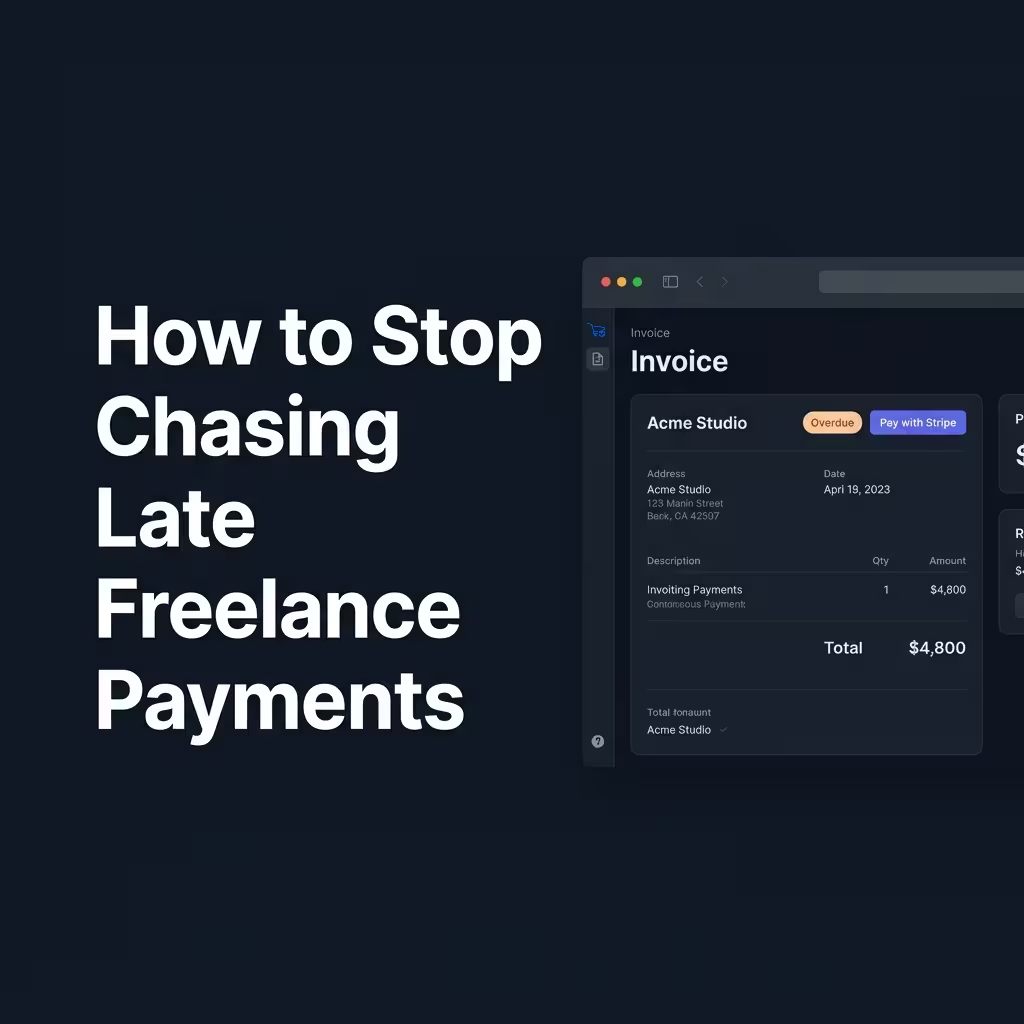
Using a tool like TaskCart, you can set up automated overdue reminders. The system will automatically ping the client 2 days before the invoice is due, on the due date, and every 3 days it is late. Taking the human element out of the reminder process makes it strictly business.
4. Implement (and Enforce) Late Fees
A contract without consequences is just a suggestion. Your freelance contract should include a late fee clause, typically 1.5% to 2% per month on the outstanding balance.
Even if you rarely enforce it, having a late fee clearly stated on the invoice creates a sense of urgency. When clients are prioritizing which vendor to pay first, they will always pay the one who charges penalties for being late.
5. Remove Payment Friction (Use Stripe Connect)
If a client has to print a PDF, walk to their accounting department, and mail you a physical check, you are going to be paid late. Friction is the enemy of cash flow.
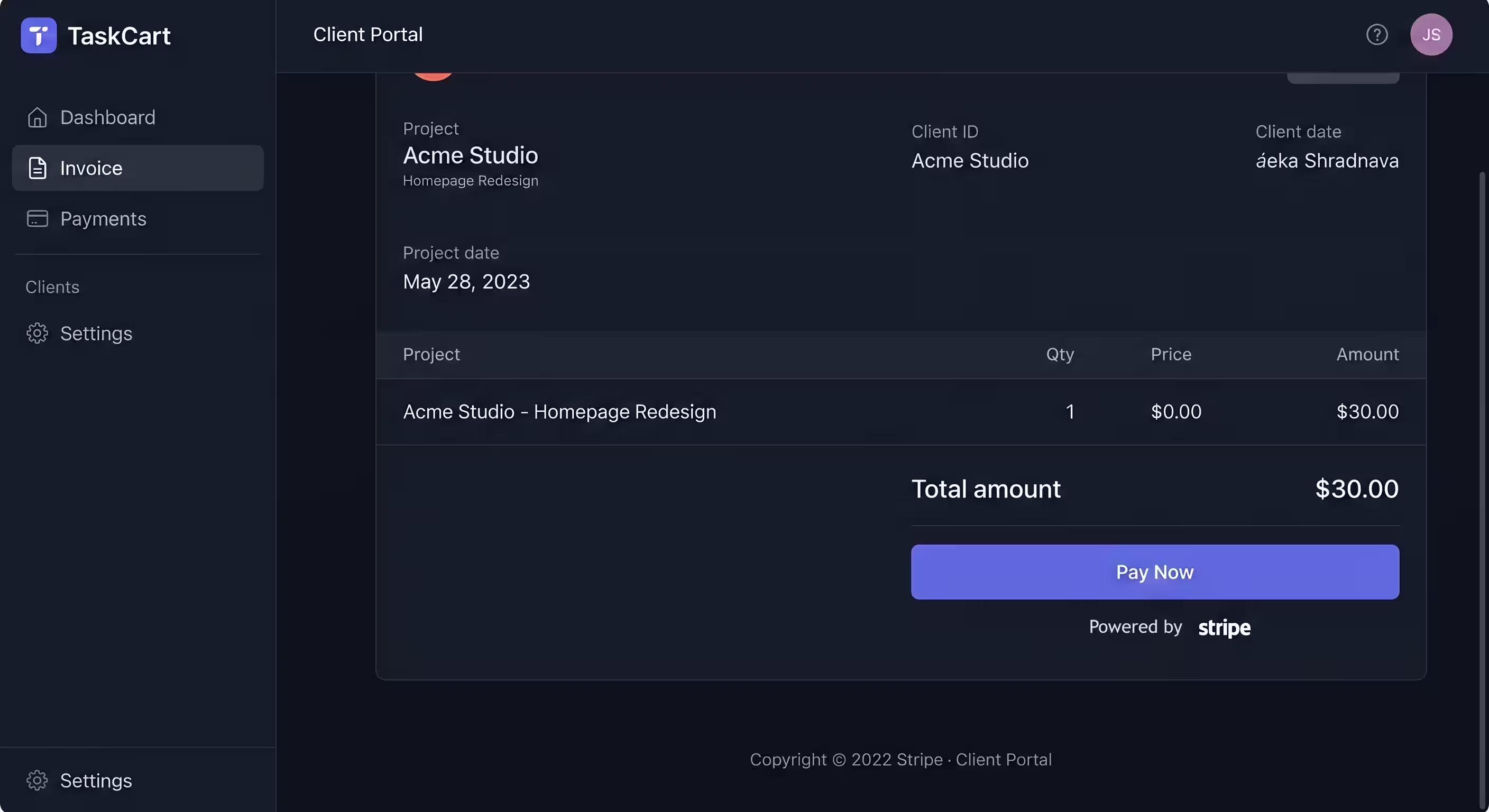
You need to offer online payments. By generating invoices that include direct Stripe checkout links, your clients can pay you with a credit card or ACH transfer in one click. Tools that force clients to create accounts just to pay you cause delays. This is why many freelancers switch from FreshBooks to dedicated tools like TaskCart to streamline the payment flow.
6. Withhold Final Deliverables Until Payment
If you are delivering a website, a codebase, or final high-res design files, do not hand over the keys to the castle until the final invoice is paid.
Present the final work on a staging server or as a watermarked file. Once the final payment clears your bank account, release the assets. This is the single most effective leverage you have as a freelancer.
7. Centralize Billing in a Client Portal
Emails get lost in spam filters, and PDFs get downloaded and forgotten. By giving your clients a dedicated client portal, they always have a single source of truth to view project progress, outstanding tasks, and unpaid invoices.
When clients feel integrated into a professional system, they treat you like an established agency rather than a disposable gig worker, resulting in faster payments and higher respect.