Cash flow is the absolute lifeblood of a freelance business. You can have a fully booked schedule and $20,000 in outstanding invoices, but if that money isn't in your bank account, you can't pay your rent.
Waiting 30 to 60 days for a client's accounting department to mail you a paper check is a relic of the past. If you want to accelerate your cash flow and get paid in minutes rather than months, here are seven practical tips to get paid faster as a freelancer.
1. Friction is the Enemy of Cash Flow
The harder you make it for a client to pay you, the longer they will take. If a client receives a static PDF, they have to log into their bank portal, set you up as a payee, and manually route a transfer.
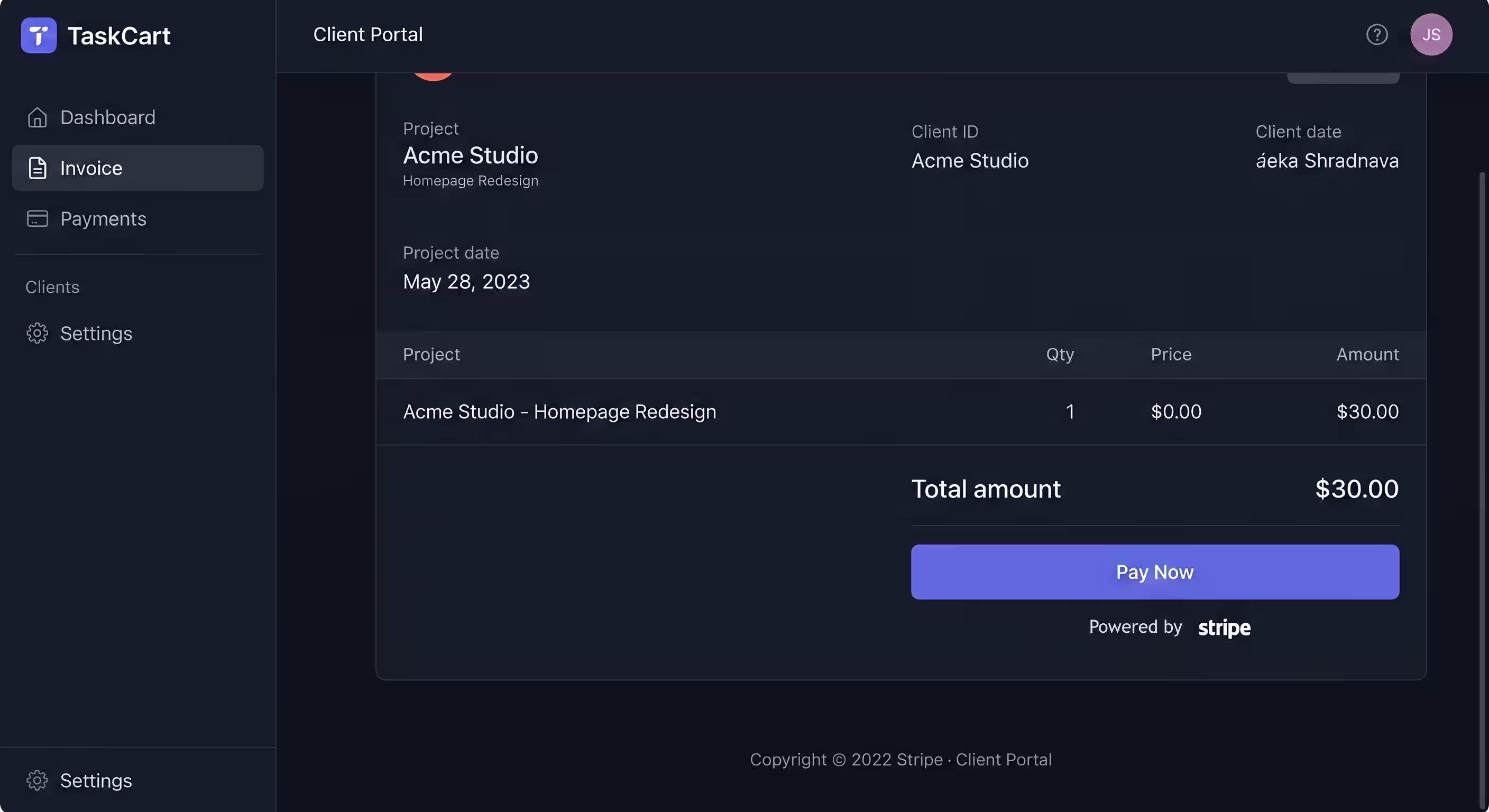
You must offer one-click online payments. By embedding a Stripe checkout link directly into your digital invoices, the client can simply click "Pay Now," enter their credit card or Apple Pay details, and clear the invoice instantly. This seamless checkout experience is why TaskCart integrates Stripe Connect natively on every invoice.
2. Enforce Stricter Payment Terms
If you give a client 30 days to pay, they will take 31 days. Stop defaulting to Net-30 terms unless you are dealing with a massive enterprise corporation that absolutely mandates it.
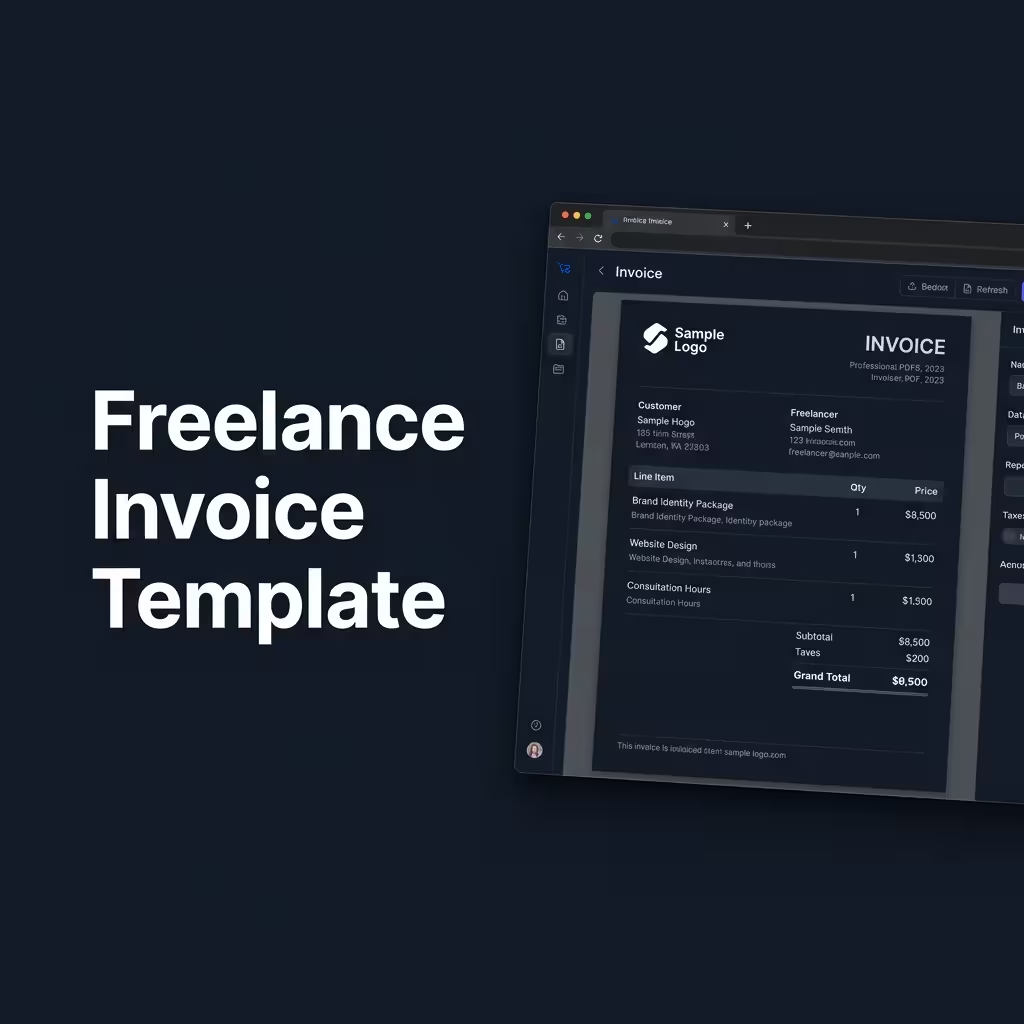
For standard freelance projects, adjust your freelance invoice template to explicitly state Net-14 or Net-7 terms. Setting a tighter deadline creates psychological urgency.
3. Always Invoice Immediately
Do not wait until the end of the month to batch-send your invoices. The moment a milestone is reached or a project is handed off, the invoice should be in the client's hands.
Using an integrated project manager means you don't have to spend hours doing data entry. When you move a task to "Done" on your TaskCart Kanban board, you can convert it into an invoice and fire it off to the client's portal in seconds.
4. Automate the Awkward Follow-Up
One of the biggest reasons freelancers get paid late is because they are too nervous to follow up. You don't want to seem desperate, so you wait an extra week before sending a gentle nudge.
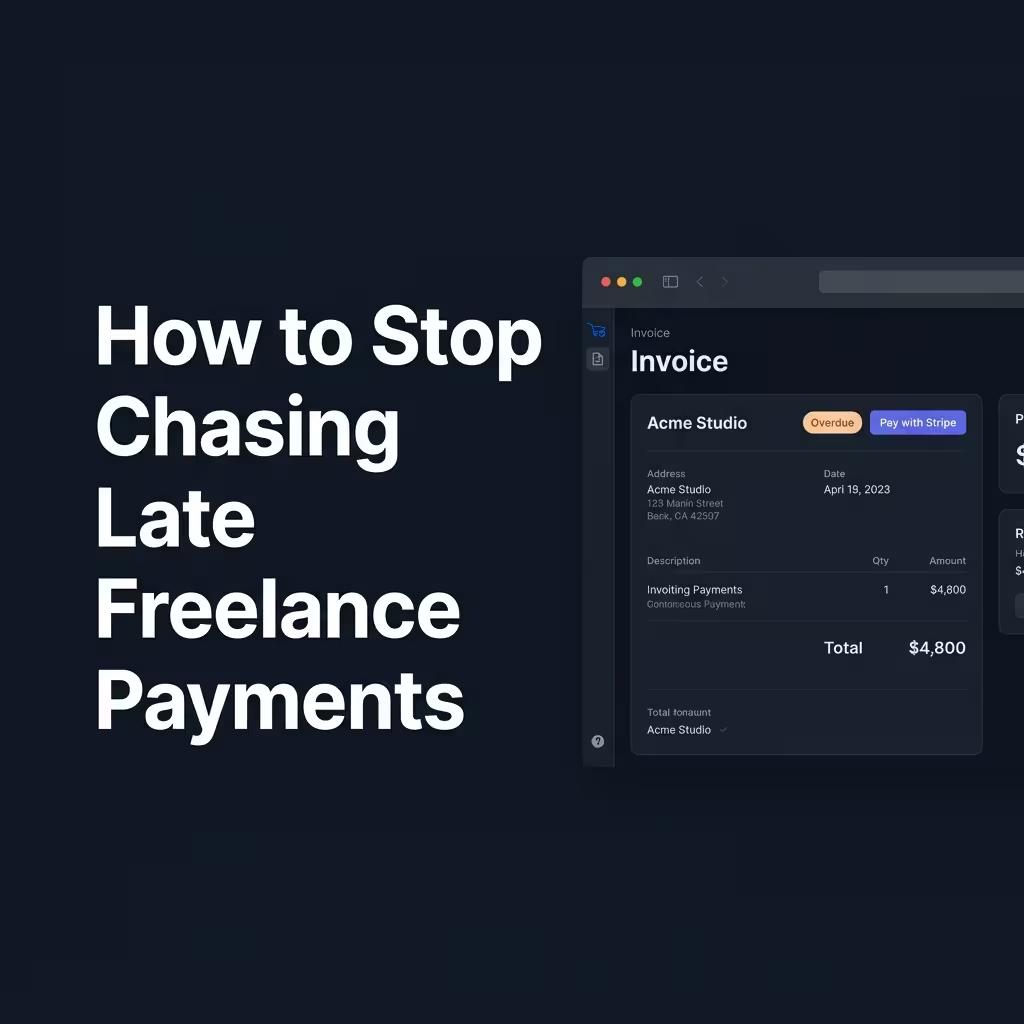
As we covered in our guide on stopping late payments, the solution is automation. Set your software to automatically email the client a reminder two days before the due date, and aggressive reminders once it is late. The software becomes the bad guy, keeping your personal relationship with the client intact.
5. Ditch Outdated Accounting Tools
Many freelancers use tools built for traditional brick-and-mortar businesses, which often require clients to create separate portal accounts just to view an invoice. This causes massive delays.
If you want to move fast, you need a workflow designed for the modern internet. This is why many digital freelancers seek a QuickBooks alternative or Wave alternative that prioritizes modern client experience and frictionless Stripe payments over complex double-entry bookkeeping.
6. Break Large Projects into Milestones
Never wait until a $10,000 project is 100% complete to send your first invoice. Break the project into sensible milestones (e.g., 25% deposit, 25% at design approval, 50% at final launch).
This ensures you have a steady stream of cash flow throughout the month and minimizes your financial risk if a client suddenly goes unresponsive midway through the build.
7. Use a Centralized Portal
When an invoice is attached to an email, it easily gets buried under dozens of other messages. By delivering your invoices directly into a secure client portal, the client always has a dedicated dashboard where they can see their outstanding balance in big, bold numbers every time they log in to check project progress.