There was a time when being a modern freelancer meant cobbling together a dozen different apps just to get through the workday. You needed a tool for tracking time, another for sending invoices, a separate Kanban board for projects, and yet another app for client files.
This fragmentation leads to "tool fatigue", a state where you spend more time managing your software than doing actual billable work. In 2026, the most successful freelancers are aggressively consolidating. Here is the lean, powerful freelance tool stack that actually works, and why less is always more.
The Hidden Cost of Tool Fatigue
Every time you switch between apps, you lose momentum. But there is also a very real financial cost. If you are paying $12/month for project management, $15/month for invoicing, and $20/month for a client portal, your overhead is eating into your margins before you even write a line of code.
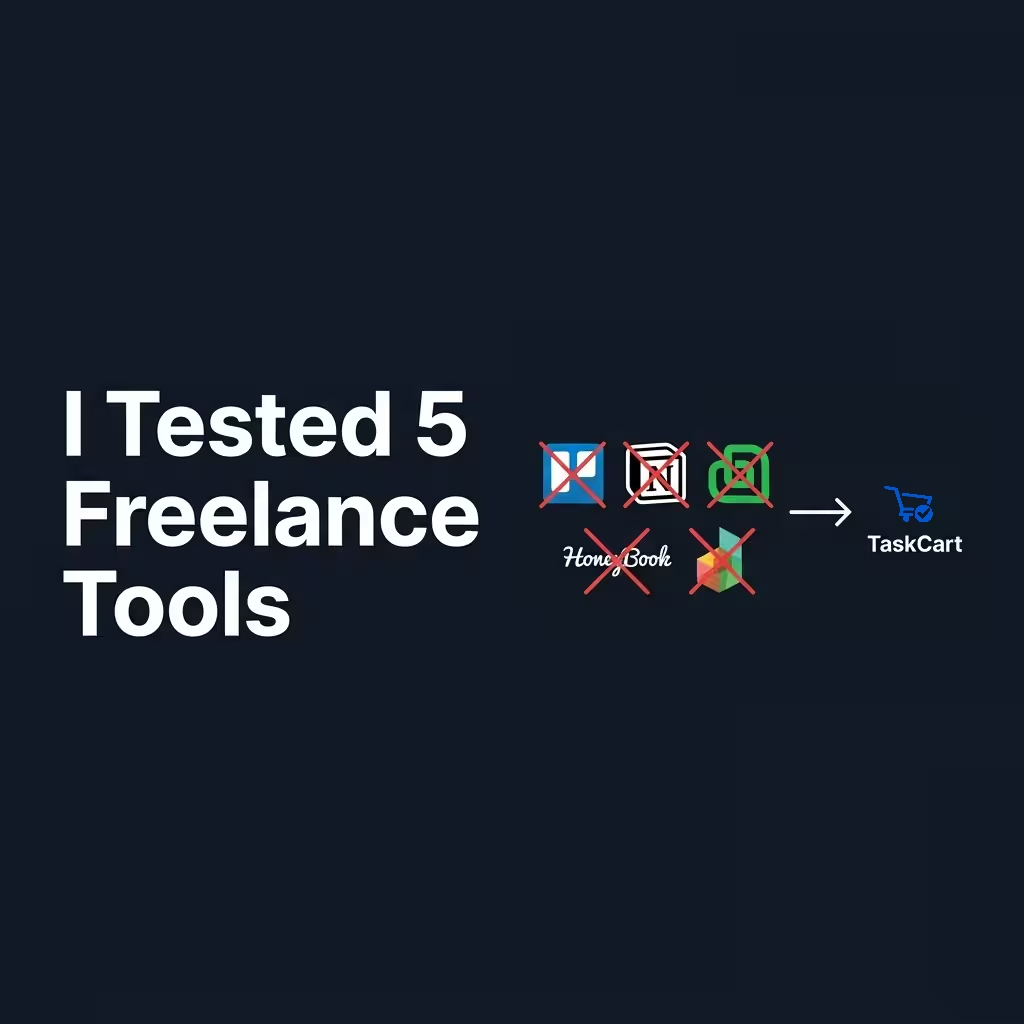
Consolidation is the cure. By finding a core "operating system" for your business, you eliminate duplicate data entry and streamline your daily operations. This is the exact philosophy behind our breakdown of the best freelance management tools.
The Danger of DIY Tooling
Many freelancers attempt to avoid subscriptions by building their own complex tool stacks using flexible database apps. While this sounds great in theory, it often results in a fragile system that requires constant maintenance.
For instance, building a CRM from scratch is a primary reason many freelancers eventually look for a Notion alternative. A flexible database is great for taking notes, but when you need to generate a compliant PDF invoice or process a Stripe payment, you need a purpose-built operational tool.
Communication vs. Management
A major mistake freelancers make is confusing a communication tool with a management tool. Slack and email are phenomenal for talking to clients, but they are terrible for tracking deliverables and budgets.
This is why tools built for corporate team chatting often fail the solo freelancer. Many users search for an Asana alternative because, while Asana tracks tasks brilliantly for large teams, it completely lacks the native billing and client portal setup that a solo business owner needs to get paid.
The Lean 2026 Stack
So, what should your stack look like today? Keep it to three core pillars:
- The Creator: The tool you use to actually do the work (Figma, VS Code, Adobe CC).
- The Communicator: How you talk to the client (Google Workspace, Slack, or Zoom).
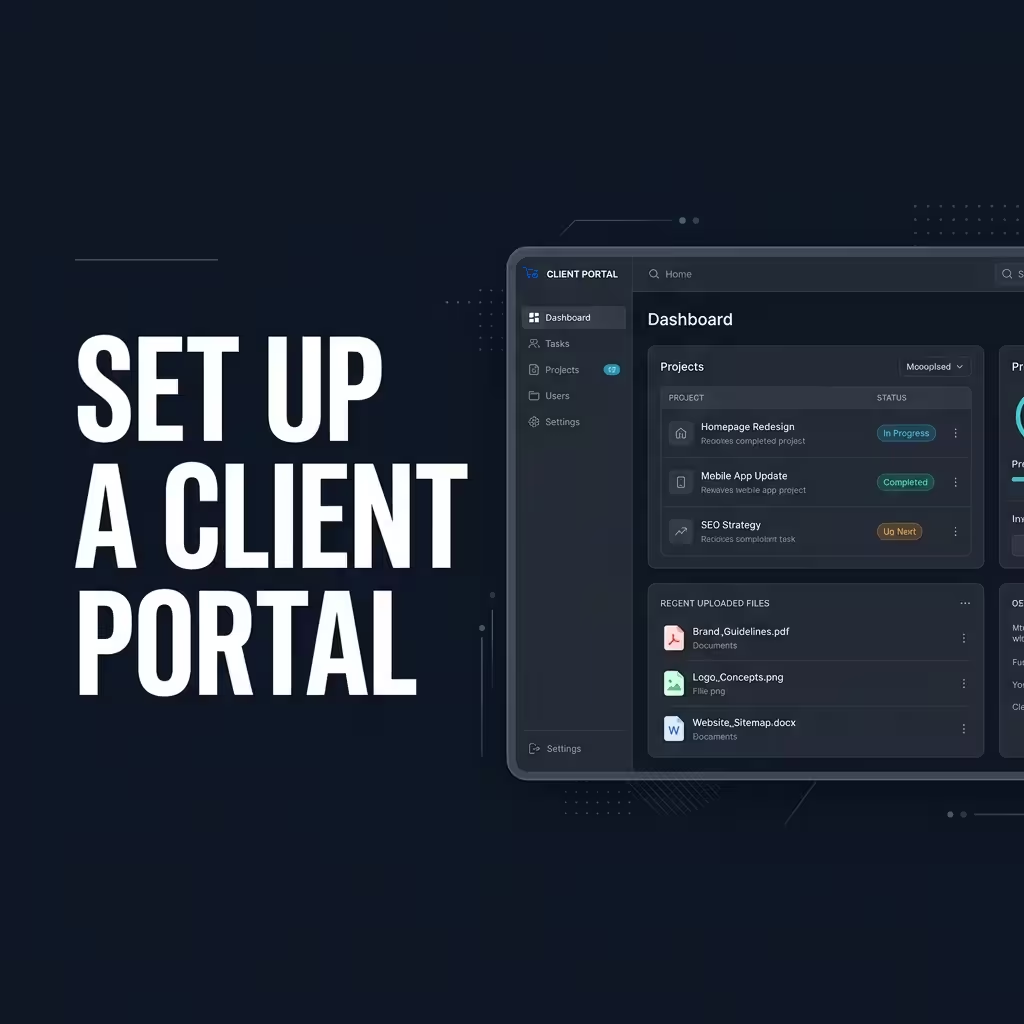
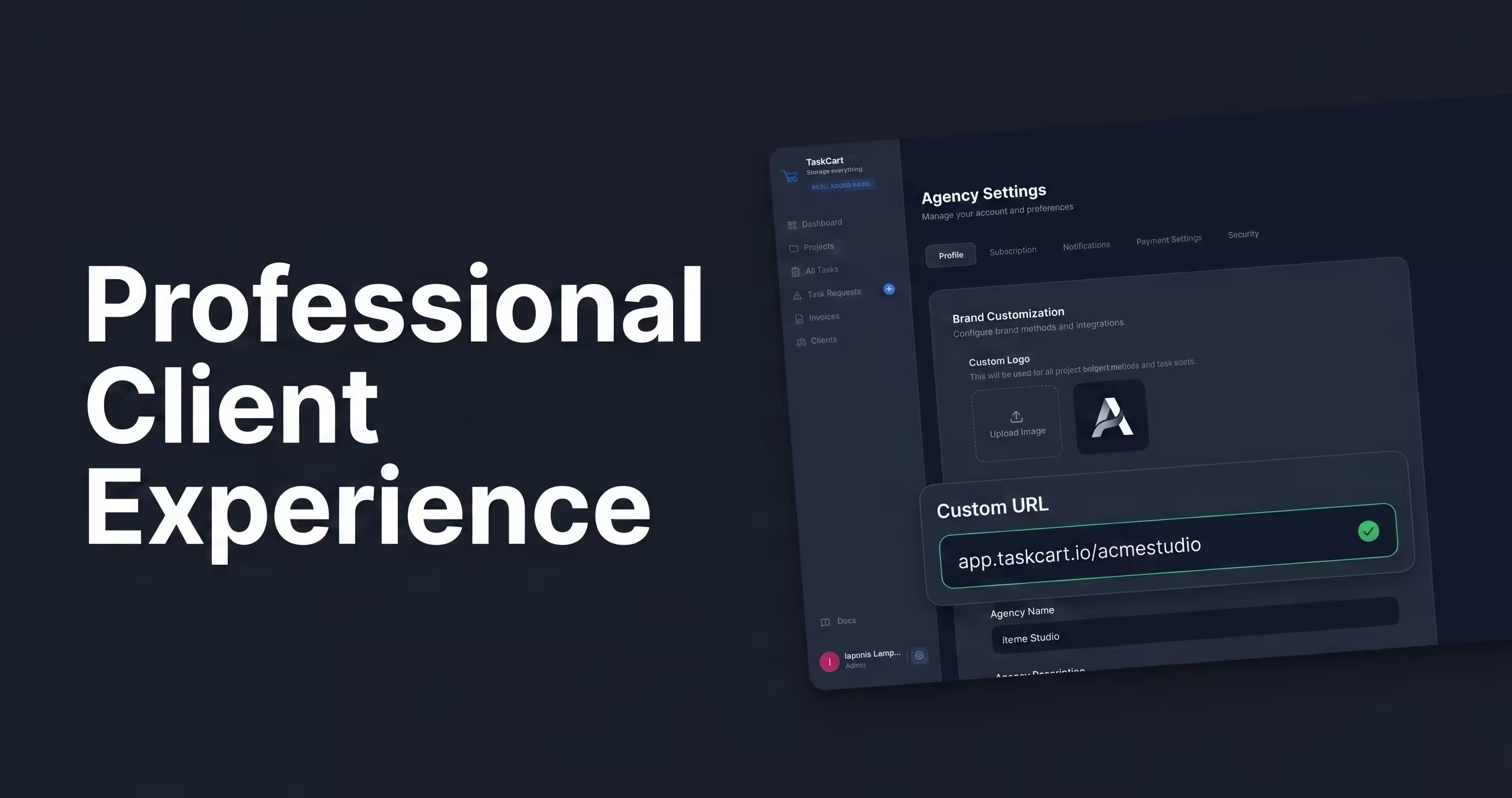
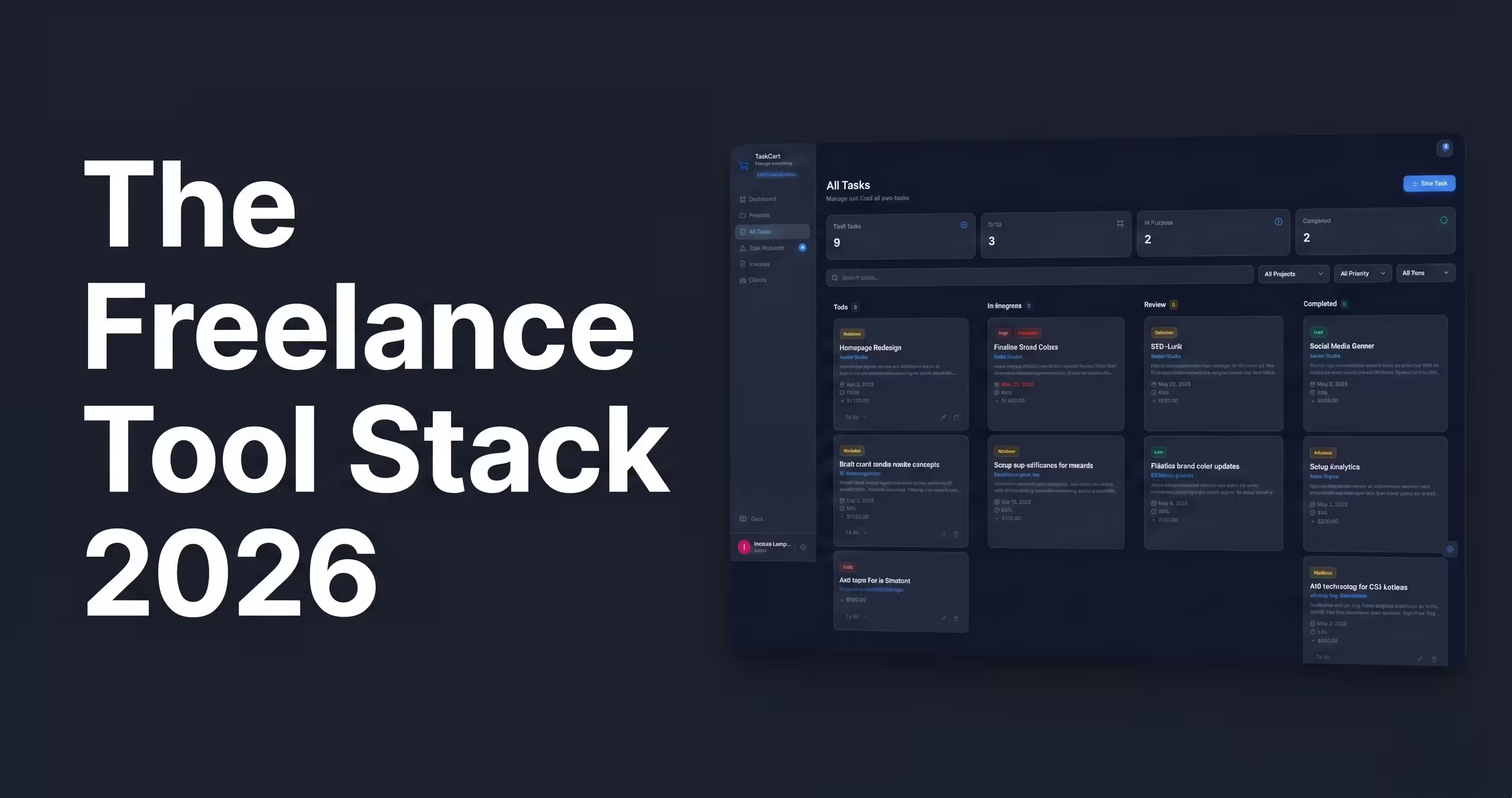
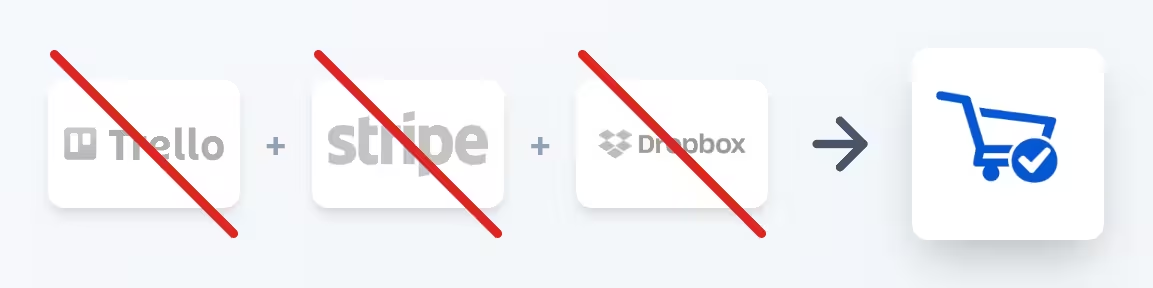
- The Operator: Where the business runs. This is where TaskCart comes in, acting as your unified hub for Kanban boards, Stripe invoicing, and secure client file sharing.
Consolidate and Scale
When you stop wrestling with Zapier integrations just to get your task manager to talk to your accounting software, you unlock hours of free time every week. By choosing a unified platform, you aren't just saving money on subscription fees; you are investing in your own focus.